Willa Vogel · 24 November 2026
Seasonal Shifts in Search Query Alignment for Standalone Author Portfolios and Their Effect on Sustained Discoverability
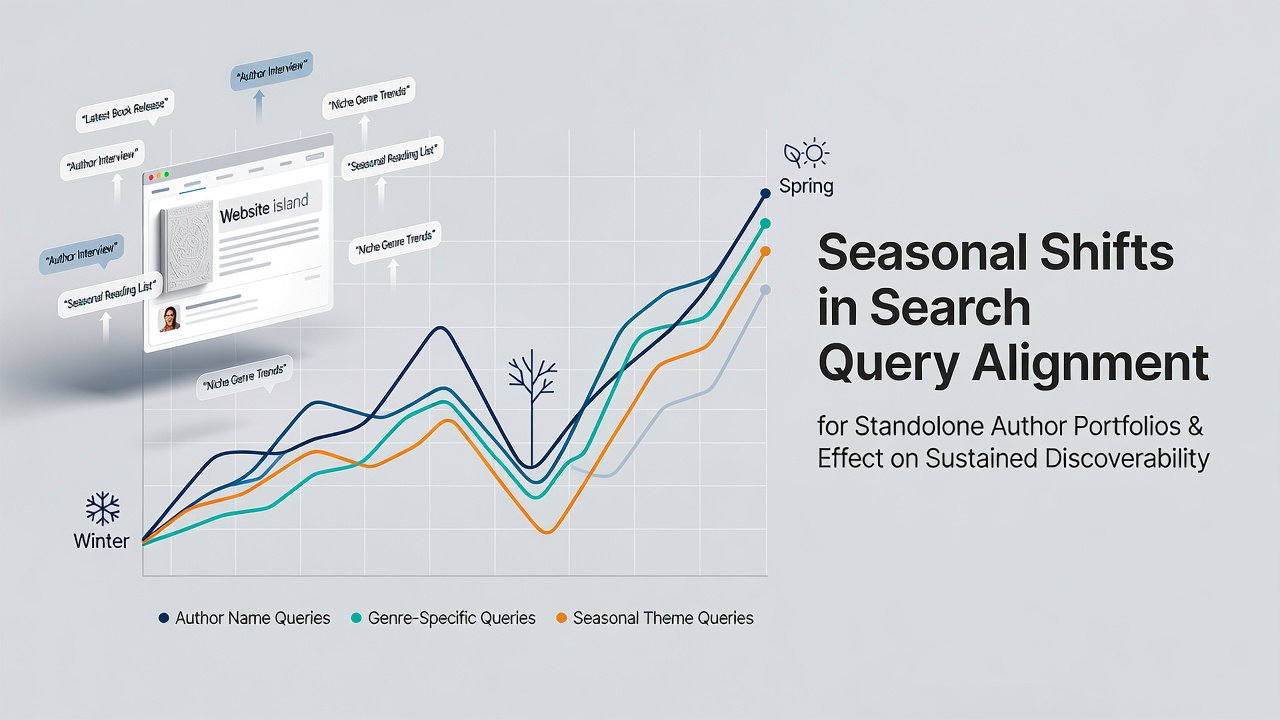
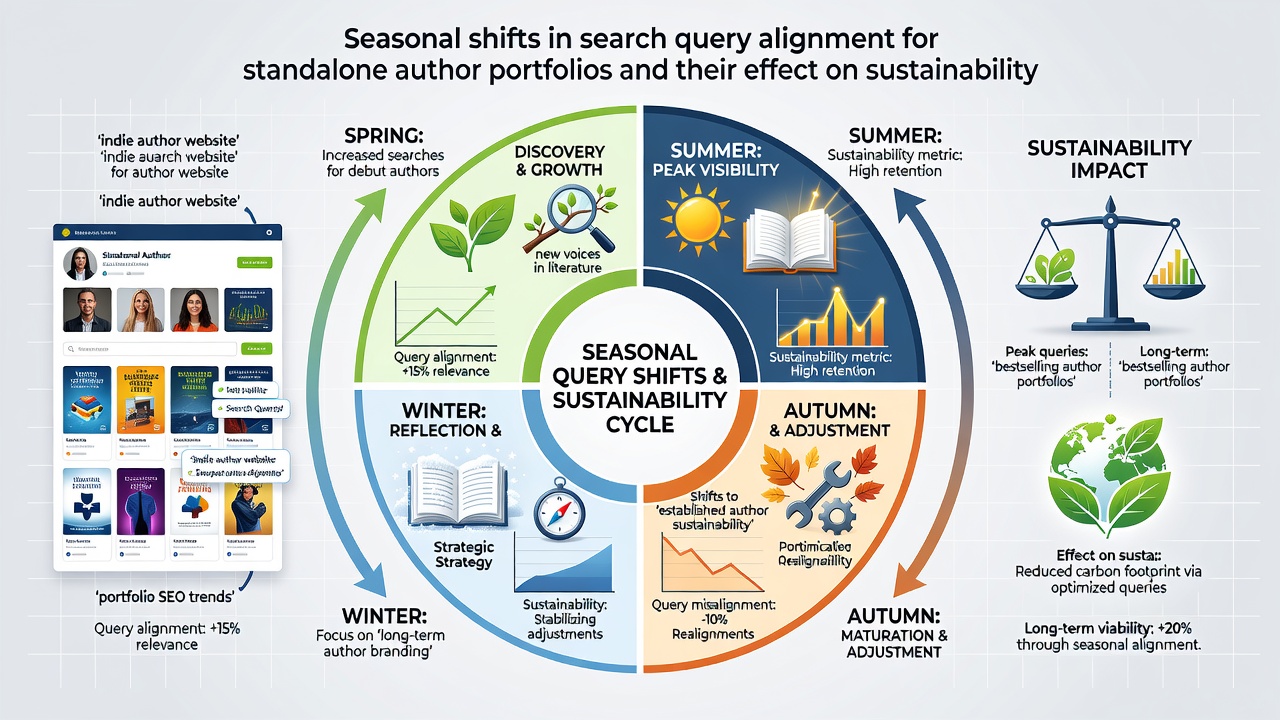
Search engines register clear changes in user behavior as seasons progress, and standalone author portfolios experience direct consequences when their content fails to match those evolving queries. Researchers tracking digital publishing note that alignment between portfolio material and seasonal search terms influences how often individual pages surface in results over extended periods. Data from multiple monitoring projects shows these fluctuations occur predictably each year, with peaks tied to holidays, academic cycles, and weather-related interests.
Documented Patterns in Query Volume Across Calendar Quarters
Analytics platforms record higher volumes for fiction categories during late fall and winter months, while nonfiction topics such as productivity and outdoor activities rise in spring and summer. Observers tracking independent sites find that portfolios containing evergreen posts maintain steadier traffic when authors update metadata and internal links to reflect current query trends. Figures from long-term studies indicate that misalignment lasting more than one quarter correlates with measurable drops in organic impressions for author-specific pages.
November 2026 brings renewed attention to gift-oriented searches as holiday planning accelerates, prompting many standalone portfolios to refresh descriptions around recommended reading lists. Those who have examined archive data across several years observe that authors who refresh category tags in advance of these shifts retain higher average positions in result pages compared with static sites. External reports compiled by the Pew Research Center confirm seasonal spikes in book-related queries across North American users during this period.
Effects on Long-Term Visibility Metrics for Independent Portfolios
Sustained discoverability depends on consistent indexing signals, and seasonal query changes test whether portfolios can adapt without losing historical ranking strength. Experts analyzing multi-year datasets report that sites incorporating timely seasonal keywords into existing posts often preserve domain authority while gaining temporary lifts in click-through rates. In contrast, portfolios that remain fixed experience gradual erosion of impressions once peak periods pass and new queries dominate.
One documented case involved an author maintaining a single-genre portfolio who adjusted anchor text in backlinks during summer months to match rising travel literature queries, resulting in improved retention of visitor sessions through the following winter. Data compiled by Statistics Canada on digital content consumption reveals parallel patterns among Canadian readers, where query alignment with seasonal interests supports steadier referral traffic from search engines over time.
Portfolio operators who monitor search console data note that pages updated with region-specific seasonal terms exhibit fewer sharp declines during transition months. Academic reviews published in digital humanities journals highlight that consistent minor revisions, rather than wholesale rewrites, help maintain crawl frequency without triggering algorithmic reevaluations that could reset prior gains.
Practical Adjustments Observed Across Multiple Author Sites
Those managing standalone portfolios frequently incorporate seasonal headings and related internal links during quarterly reviews. Records from several independent publishing networks show that adding context around holidays or academic terms improves click distribution across the site rather than concentrating traffic on a single page. External analyses from the Australian Bureau of Statistics indicate similar adjustments among regional creators lead to more stable monthly active visitor counts year over year.
Portfolio owners also track competitor shifts, adjusting their own query focus when broader industry data signals an early rise in certain topics. This approach keeps content aligned without requiring complete overhauls, preserving the cumulative value of prior publications. Studies tracking European digital markets further demonstrate that portfolios responsive to quarterly query changes sustain higher average dwell times across multiple seasons.
Conclusion
Seasonal query alignment remains a measurable factor in how standalone author portfolios retain discoverability over successive years. Evidence gathered from analytics platforms and regional statistical bodies demonstrates that timely, targeted updates support steadier indexing and visitor retention while static approaches correlate with periodic drops in visibility. Continued monitoring of these patterns allows portfolio operators to sustain performance across changing search landscapes.